
The Electability Myth
Why Alexandria Ocasio-Cortez shouldn't let being a woman and Latina stop a potential 2028 presidential run
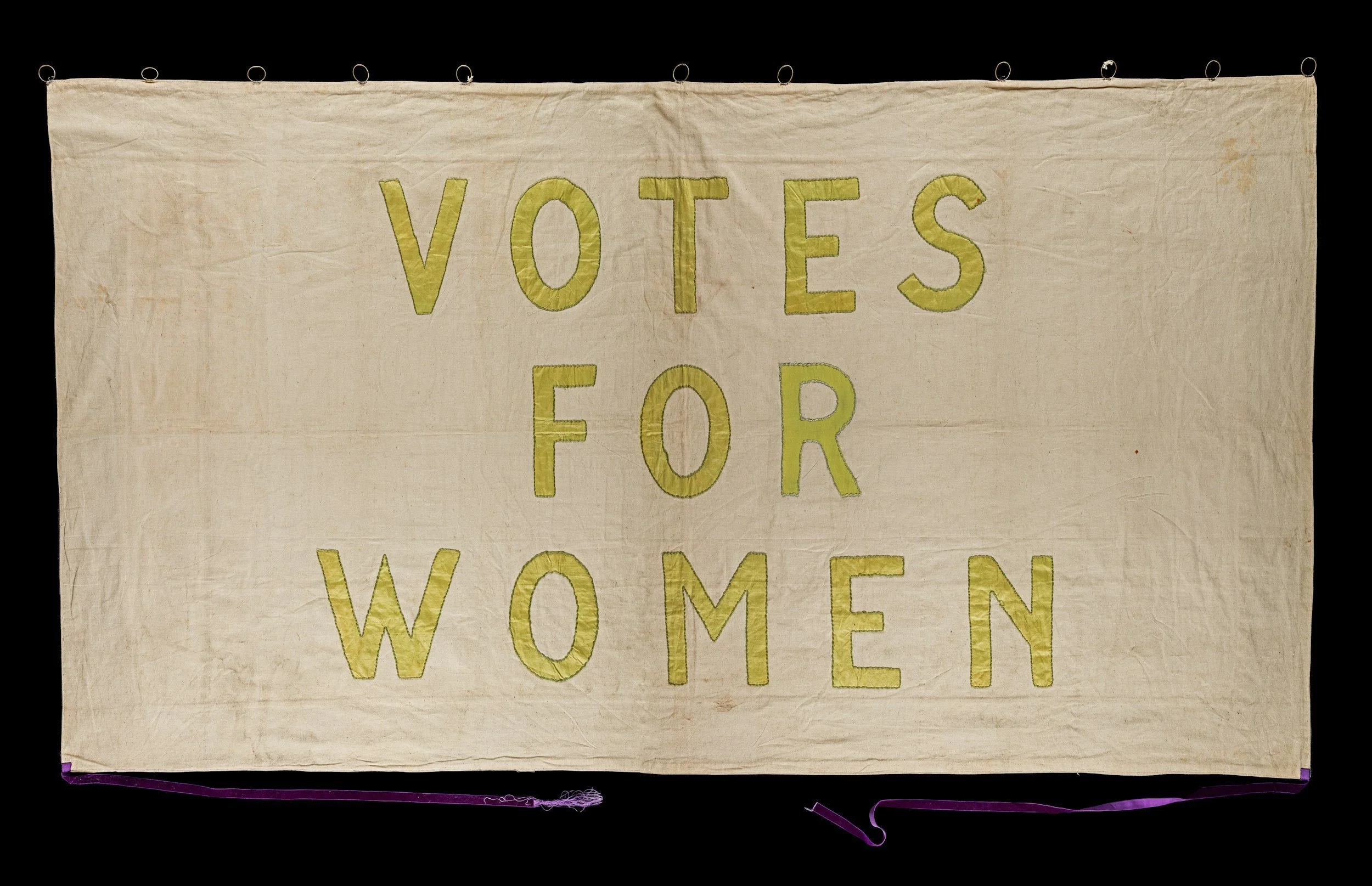
Conventional wisdom has underestimated transformational candidates before. Alexandria Ocasio-Cortez's gender and heritage should be viewed as factors in her story, not barriers to the presidency. — Unsplash image
While the focus for TheCommonHeart this election cycle is creating midterm-related content to help Democrats gain a majority in the United States Congress, from time to time other topics will be addressed when needed.
Recently, U.S. Representative Alexandria Ocasio-Cortez did an interview with The New York Times and was candid about her thoughts on her political future.
Regarding a presidential run in 2028, Ocasio-Cortez discussed how her background as a woman and a Latina factors into her potential electability, questioning whether a Latina could win the presidency in the current political environment while acknowledging that no woman has ever held the office.
Running for president is always a very personal decision for any potential candidate, involving the most grueling "all-in" and soul-searching effort a person can undertake. It demands complete personal, physical, and emotional sacrifice.
While Ocasio-Cortez said she will decide on a potential 2028 presidential run after the midterm elections, in my opinion she should not let her gender or Latina heritage factor into that decision.
A fundamental truth about American presidential politics is that conventional wisdom about "electability" is frequently proven wrong by transformative candidates. Presidents John F. Kennedy, Ronald Reagan, and Barack Obama are perfect examples.
While the debate around her identity exists, the Federal News Network reports that data from current prediction markets and political polling show many observers view Alexandria Ocasio-Cortez as a highly competitive contender for 2028 rather than a long shot.
What Hillary Clinton and Kamala Harris Tell Us About Female Electability
Hillary Clinton (2016) and Kamala Harris (2024) both had momentum at various points in their presidential campaigns but faltered late and did not win the election. But when it comes to being a woman, at least the way I see it, they proved America is on the cusp of electing its first female president.
Clinton won the national popular vote with 65.85 million votes, while President Donald Trump received 62.98 million. Trump won the national popular vote in 2024 with 77.30 million votes. Harris, despite being thrust into the presidential race late in the election cycle, received 75.02 million votes. That was only about 2 million fewer than Trump and nearly 10 million more than Clinton, although voter turnout was higher in 2024 than in 2016.
At least the way I see it, those numbers tell an important story. Tens of millions of Americans were willing to vote for Hillary Clinton and Kamala Harris for president. While no one can say gender played no role in those elections, the idea that a woman cannot win the White House simply doesn't match what we've seen at the ballot box over the last decade.
Those impressive vote totals for Clinton and Harris indicate to me that being a woman in a presidential election is not the obstacle. It is how a candidate closes the election in the final four to six weeks and wins enough swing states to secure the Electoral College votes needed for victory.
Growing Political Power of Latino Voters
When it comes to Ocasio-Cortez's electability as a Latina, the Latino vote is a large and growing force in American elections. According to CommonDreams.org, it could help Ocasio-Cortez build strong support in major swing states if she runs for president in 2028.
Pew Research Center data shows there are more than 38 million Latino voters in the United States, making them the nation's second-largest voting bloc.
This group makes up a significant share of the population in critical states such as Arizona, Nevada, Texas, and Florida. Because these states often help decide who wins the White House, turning out those voters is a top goal for both major political parties.
As a high-profile Latina leader, Ocasio-Cortez can connect personally with many voters who want to see leaders who share their background. A strong connection with young and urban Latino voters could help build a dedicated volunteer network and drive high voter turnout in key areas.
Just as importantly, representation can be a political strength. America continues to grow more diverse, and many voters view candidates through the lens of their life experiences and personal stories. Rather than being a political liability, Ocasio-Cortez's Latina background could help her connect with voters who see their own stories reflected in hers.
A voting bloc of more than 38 million eligible citizens means a candidate who can successfully energize and mobilize this community possesses a massive mathematical advantage, according to Fox News.
Yet political analysts point out that this huge demographic is complex, with a growing percentage voting Republican.
What Current Polling Says About Ocasio-Cortez’s Chances
While Latinos helped elect Trump in 2024, a new NBC News/Telemundo poll suggests movement away from Trump, with the economy and immigration ranking among their top concerns. The poll, conducted Sept. 21-28, gives Trump a 27 percent approval rating among Latinos.
According to reports from The Guardian, polling indicates Ocasio-Cortez is a polarizing figure nationally, meaning her primary hurdle when it comes to electability may be navigating broader ideological divides rather than her ethnic identity alone.
When Political Experts Got Electability Wrong
Despite pundits identifying obstacles to overcome, this is where the Kennedy-Reagan-Obama history lesson comes into play when electability becomes the buzzword of a presidential election. I know this history lesson firsthand because I lived through all three presidential elections.
The historic skepticism and conventional wisdom that surrounded each of these groundbreaking presidential campaigns, all of which ended in victory, is something for Ocasio-Cortez and her naysayers to consider.
Here Is a Closer Look at the Historical Context
John F. Kennedy (1960): At the time, anti-Catholic prejudice was a significant hurdle in American politics. The only previous major-party Catholic nominee, Al Smith in 1928, had suffered a crushing defeat. Critics openly questioned whether Kennedy would prioritize the teachings of the Pope over the U.S. Constitution. Kennedy famously confronted the issue head-on in a September 1960 speech to the Greater Houston Ministerial Association, declaring his belief in an America where the separation of church and state is absolute. He went on to defeat Richard Nixon.
Ronald Reagan (1980): While Reagan had already served two terms as governor of California, critics and political opponents frequently tried to dismiss him as a "Hollywood actor" who lacked the gravitas, depth, and foreign policy experience required for the presidency. Critics worried his background would make him a "button-happy" cowboy in the Oval Office. Reagan overcame this narrative by projecting warmth, strength, and optimism, ultimately defeating incumbent Jimmy Carter in a landslide.
Barack Obama (2008): As the first African American nominee of a major political party, Obama faced widespread skepticism about whether a deeply divided country was ready to elect a Black president. Beyond race, he also faced doubts regarding his experience, given his short tenure in the U.S. Senate. Obama leveraged an unprecedented grassroots organization and a message of hope and change to defeat John McCain, shattering a 220-year-old racial barrier in the American executive branch.
All three campaigns are classic examples of candidates breaking through what political pundits at the time considered disqualifying barriers.
Like those three presidential campaigns, today's pundits are quick to point out Ocasio-Cortez's own perceived barriers, with her gender and Latina background often at the top of the list.
The bottom line, as detailed above, is that being a woman and being Latina are not the disqualifying barriers some pundits make them out to be. History has shown that when publicly perceived barriers emerge in a presidential campaign, the right person at the right time with the right message can connect with the American majority.
Political Advantages Ocasio-Cortez Brings to a National Campaign
Ocasio-Cortez champions policies that push the boundaries of traditional mainstream American politics.
These progressive ideas inspire passionate support on the left while generating fierce pushback from conservatives and moderate Democrats. The Green New Deal, Medicare for All, taxation and economic relief, and immigration reform are among those policies.
Despite the pushback her ideology receives from the broader national electorate, Ocasio-Cortez possesses distinct political advantages that make her a formidable and deeply popular figure within key coalitions:
Generational and Progressive Popularity: She maintains commanding influence among the Democratic Party's base. National polling indicates that 64 percent of Democrats view her positively. She draws her strongest net favorability from voters ages 18 to 34, establishing her as a leading figure for the party's next generation.
Grassroots Authenticity: Ocasio-Cortez builds deep trust by deliberately rejecting corporate PAC funding. Supporters view her as an insurgent candidate who answers directly to her community rather than party bosses or special interests.
Digital Fluency: Her mastery of social media allows her to bypass traditional media filters and engage directly with millions of voters. This unmatched public profile keeps her at the center of political conversations and helps drive grassroots engagement.
National Connection Chops on Display
Ocasio-Cortez Connects With Voters Beyond Traditional Politics
Real-time national engagement through her social media presence regularly goes viral.
Ocasio-Cortez openly documented her decision to freeze her eggs on social media, including Instagram and Facebook. She shared raw details about the process and how she balanced treatment with a demanding career.
This public sharing highlights several specific political and personal strengths.
Normalizing Working Women's Realities: By documenting the physical and financial realities of fertility preservation, she demystified an often-isolating experience. She has been praised for destigmatizing reproductive choices and shedding light on the pressures professional women face.
Politically: Sharing this journey allowed her to take complete control of her narrative. Female politicians are routinely subjected to sexist double standards regarding family status and personal timelines. By being fully transparent, she effectively preempted bad-faith questions about balancing womanhood with ambitions for higher office.
Political Risk: She acknowledged that sharing such intimate medical details carried political risk. She faced backlash from conservative critics. Her willingness to absorb that criticism in order to foster a broader national conversation underscores both her courage and her commitment to her communication style.
Bottom Line: Don’t let Gender or Heritage Decide
Rep. Alexandria Ocasio-Cortez, whatever you decide regarding a run for president in 2028, don't let being a woman and Latina be the deciding factors against it.
If this vision resonates with you, don't just read about it.
Join The Common Heart Movement.
Together we're building a community based on respect, dignity, unity,
and constructive dialogue.